UNICEF TÜRKİYE TEMSİLCİLİĞİNE AÇIK ÇAĞRI:
UNICEF TÜRKİYE TEMSİLCİLİĞİNE VE KAMUOYUNA AÇIK ÇAĞRI
Konu: “Çocuk İçin Adalet” Paradoksu, İnsan Hakları Görevinin Engellenmesi ve Toksik Eğitim Materyallerinin Tasfiyesi Hakkında Nihai Bildirim
Sayın UNICEF Temsilcileri,
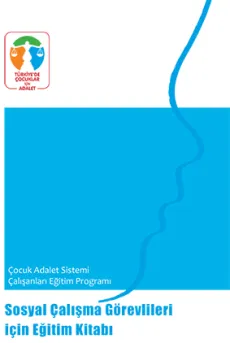
Ben, SHU Nihat TARIMERİ; Türkiye’deki çocuk koruma ve adalet yönetim sistemini uluslararası hukuk zemininden koparan, mesleki liyakati yok sayan ve çocukların adalete erişimini engelleyen sistemik kusurlara karşı bu çağrıyı sunuyorum. UNICEF’in 2013 tarihli “Sosyal Çalışma Görevlisi Eğitim Kitabı” adlı yayınını, bu hukuksuzluğu meşrulaştıran somut bir sistemik kusur olarak tanımlıyor ve derhal ortadan kaldırılmasının insan hakları, çocuk hakları ve sosyal haklar açısından acil olarak talep ediyorum.
I. 20 YILLIK HUKUK GARABETİ VE “ÇOCUK İÇİN ADALET” PARADOKSU
Dünya genelinde Sosyal İnceleme Raporları (SİR), yalnızca akademik formasyona sahip Sosyal Hizmet Uzmanları/Sosyal Çalışmacılar tarafından düzenlenirken; Türkiye’de 20 yıldır Çocuk Koruma Kanunu’ndaki “Sosyal Çalışma Görevlisi” (SÇG) tanımıyla psikolog, sosyolog ve öğretmenler dahil kendi uzmanlık alanları dışında çalıştırılmaktadır.
Anayasaya aykırı olmasına rağmen AB Projesi ve avukatlar dahil adalet yönetimi için üretilen bu kitap, isminde “çocuk için adalet” beklentisini barındırmasına rağmen uygulamada tam bir paradoks yaratmaktadır:
-
Pekin Kuralları (Madde 16 ve 22) İhlali: Karar mercilerinin zorunlu olarak “nitelikli sosyal soruşturma/araştırma raporlarına” (m.16) dayanması ve raporu hazırlayanların “akademik düzeyde profesyonel eğitim” almış olması şarttır.
-
Paradoksun Özü: UNICEF, bu süreci ehliyetsiz bir kitleye indirgeyerek hem sosyal hizmetler ile ilgili uzmanlığı dışlamakta hem de adaletin çocuk için “bilimsel” bir güvence olmaktan çıkarılmasına (adaletten kaçırılmasına) aracılık etmektedir.
II. TOKSİK BİR MİRAS: “ŞEKERLE KAPLANMIŞ ZEHİR”
UNICEF web sayfasında halen yayında olan bu eğitim kitabı, içeriği itibarıyla üzüntü verici ve mesleki açıdan toksik bir araçtır. Adalete ulaşmada hukuk bir araçtır. Adalete yönelik bu yaklaşım, zehirli bir ilacın üzerini şekerle kaplayarak sunmaya benzemektedir. UNICEF, çocuk hakları ve evrensel değerleri korumak yerine Türkiye’deki çocuklara bir “çifte standart” ile yaklaşarak çocuk haklarını anlamsızlaştırmaktadır. Özellikle Avrupa Sosyal Şartı ve sosyal hizmetleri içeren kararlar arasında “çocuk dostu adalet” ile ilgili ilkelerin yok sayılmasıyla üretilen kitap cesaret vermiştir. Bu ortaklık ve cesaretle, pedagoji bilimiyle ilgisi olmayan kadrolar adalet yönetimine “çakma pedagoglar” olarak dâhil edilmiştir.
III. GÜNCEL KRİZ: 17-19 NİSAN 2026 KONGRESİ VE KAYNAK İSRAFI
Şu anda avukatlara gerçekleştirilen “Çocuklar İçin Adaleti Yeniden Düşünmek” Kongresi ve çalışmada öne çıkarılan AB “ÇABA” projesi kapsamında gelinen vahim noktayı ise üç yıl içindeki çalışmalar ile özetlemektedir:
-
Süregelen Hata: 2013’teki hatalı materyalleri hazırlayan aynı isimlerin, şimdi yeni eğitim modülleriyle benzer bir bakış açısını devam ettireceği açıklanmıştır. Aynı zamanda Çocuk Koruma Kanunu’nda yer almamasına rağmen 12-14 yaş grubuna yönelik zorunlu bir hekim raporu ise yönetmelik ile eklenmiştir. Sosyal koruma ve sosyal teşhis açısından sosyal inceleme raporunun işlevsiz kılınmasına yardım etmiştir. Sosyal hizmetin dışlanması ile çocuk koruma sistemi etkilenmektedir. Ortada bir hukuk skandalı ve adalet katliamı süregelmektedir. Sosyal hizmet yönetiminde korumaya yönelik aktif bir korumanın halen olmaması yapısal bir sorun olup zafiyet ortaya çıkmaktadır. Bu eksiklik temel bir sorundur. Böylece çocuklara yönelik koruyucu ve destekleyici tedbirler ceza adalet sisteminde ortadan kaldırılmıştır. Çağın ötesi bakış ile Türk Ceza Kanunu’nun 31. maddesi korunarak yetişkinler gibi ceza sorumluluğu aranarak, cezalandırma her şeyin önüne çıkabilmektedir. Sosyal ortam ve yaşam koşullarının dikkate alınmadığı bir ceza adalet sistemi, UNICEF katkı ve ortaklığı ile ve pasif avukatlık hizmeti ile süregelmektedir.
-
Başarısızlık: Aradan geçen 20 yıla ve harcanan AB fonlarına rağmen, ceza adalet ve koruma sistemi açısından söz konusu bu liyakatsiz modelin başarısını gösteren tek bir pilot dava örneği dahi yoktur. En azından eğitimler dahil son üç yıl içinde avukatlık hizmeti açısından bir örnek olmadığı gibi pasif bir hak savunuculuğunun avukatlık hizmeti açısından beslendiği görülmektedir. Aynı zamanda AB vergi mükelleflerinin fonları, liyakatsiz yapıları beslemek için kullanılmaktadır.
IV. IFSW 2018 KÜRESEL SOSYAL HİZMET ETİK İLKELERİ İHLAL ANALİZİ (9 MADDE)
Sosyal hizmetin dışlanması, IFSW 2018’in dokuz temel etik ilkesinin adalet ve insan hakları içinde ele alınmasını gerektirmektedir.
-
İnsan Onuru ve Değerinin Tanınması ; Sosyal hizmet uzmanı (SHU)/Sosyal Çalışmacı (SÇ), çocuğu sosyal çevresiyle bir bütün olarak görür. Çocuğun suça yönelme nedenlerini (yoksulluk, ihmal) dışlayıp onu sadece “cezai ehliyeti ölçülecek bir denek” olarak hekim raporuna indirgemek onur kırıcıdır, çocuğun insanlık onurunu sistem eliyle parçalamaktır.
-
İnsan Haklarının Teşviki; Sosyal hizmet, insan haklarının sahadaki sesidir. Sosyal çalışmacı ise adli sistemin çocuk hakları gözlemcisidir. Taraftır. Uzmanlığın dışlandığında, hukuksuz SÇG uygulamalarıyla çocuk hakları bir “proje başlığına” (UNICEF-AB projeleri gibi) indirgenmektedir. Çocuğun eğitim açısından rehabilitasyon ve korunma hakkının gasp edilmesidir. UNICEF ve AB fonlarıyla bu dışlanmayı meşrulaştıran her eğitim materyali, bu hak ihlaline aracılık etmektedir.
-
Sosyal Adaletin Teşviki; Adalet sadece mahkeme salonunda tecelli etmez. Sosyal adalet, çocuğun suça itildiği dezavantajlı koşulların profesyonelce raporlanmasıyla başlar. Kanunda yer almamasına rağmen yönetmelik ile öne çıkarılan hekim raporları sosyal adaleti sağlamaz; sadece biyolojik bir kapasite ölçer. Ancak sosyal hizmetlerin ve SHU/SÇ’nun dışlanması, adaletin “sosyal” boyutunun yok edilmesidir.
-
Kendi Kaderini Tayin Hakkı (Self-Determination) ; Sosyal hizmetin amacı bireyi güçlendirmektir. Çocuklar için sosyal inceleme raporunun yok sayılmasının yanı sıra 12-14 yaş grubu için hazırlanan hekim raporuyla “cezai ehliyeti vardır” damgası vurulan çocuk, karar süreçlerinde bir “özne” değil, cezalandırılacak bir “nesne” ve “araç” haline getirilir. Sessizlik ise bir tehdit ve tehlike unsuru olmaktadır.
-
Katılım Hakkı; Çocuğun koruma ve ceza adalet sistemine katılımı, profesyonel bir SHU/SÇ tarafından anlaşılmasına ve yanında olmasına bağlıdır. Sosyal inceleme raporunun yok sayılması ve bazıları için söz konusu hekim raporu bu sessizliği derinleştirirken, sosyal hizmet uzmanının/sosyal çalışmacının dışlanması çocuğun sesinin sistem tarafından yutulmasına neden olur. “Çocuk Dostu Adalet” ise, çocuğun sistemle profesyonel bir köprü (SHU) aracılığıyla bağ kurmasını ister. Hekim raporu dahil bu sessizlik ise cezalandırmayı getirir.
-
Gizlilik ve Mahremiyet ; Sosyal inceleme/araştırma süreçlerindeki en mahrem verilerin, mesleki etik eğitimi almamış veya uzmanlığı farklı (SÇG çatısı altındaki öğretmen, sosyolog vb.) kişilerce işlenmesi, Anayasa kapsamındaki özel hayatın gizliliğinin kurumsal düzeyde ihlalidir.
-
Bütünsel (Holistik) Yaklaşım: Çocuk; biyopsikososyal bir bütündür. Mevcut “tıbbileştirilmiş” sistem, sadece “biyolojik” olana (hekim raporu) bakar. Sosyal teşhis açısından “sosyo” ve kişisel açıdan “psiko” boyutların dışlanması, çağın ötesinde bir koruma değil, çağın gerisinde bir cezalandırma pratiğidir.
-
Mesleki Yeterlilik ve Yetkinlik (Competence) ; Evrensel bir araç olan sosyal inceleme raporu (SİR) düzenlemek, sosyal hizmet disiplinine özgü bir yetkinliktir. Tekelindedir. Ancak ÇKK ile yetkisi olmayanlar tarafından düzenlenirken bu raporun kimin ve nasıl olacağı sorgulanmadan ve “gerektiğinde” ibaresi ile söz konusu zorunluluk çocuk ve gençler için engellenmiştir. Yine kanunda yer almamasına rağmen hekimlerin bu raporu ile ceza sorumluluğu aranarak hekimler cezalandırmada bir araç olabilmektedir. Sosyal inceleme raporunu işlevsiz kılan ve bu yönde tıbbi raporlar hazırlanması veya kanunda yeri olmayan bu yöntemin SİR yerine ikame edilmesi, ağır bir yetkinlik aşımı ve bilimsel sapmadır.
-
Mesleki Dürüstlük ve Kurumsal Sorumluluk: Sistemin en büyük yarası buradadır. Bu yapı, IFSW 2018’in 9 temel ilkesini (İnsan Onuru, Hakların Teşviki, Sosyal Adalet, Katılım, Gizlilik, Holistik Yaklaşım, Yetkinlik ve özellikle Mesleki Dürüstlük) doğrudan ihlal etmektedir. UNICEF’in “Çocuk İçin Adalet” vaadiyle bu liyakatsiz ve “hekim odaklı” yapıyı meşrulaştıran kitaplar yayınlaması, kurumsal dürüstlük ilkesine ihanettir. Bu, zehirli bir ilacı şekerle kaplayıp sunmaktır. Devletin ve UNICEF’in sosyal hizmet uzmanlığını dışlayıp bu yapıyı “normal” gibi pazarlaması, kurumsal bir dürüstlük krizidir.
Bilimsel gerçekliği dışlayıp, liyakatsiz bir “SÇG” modeli ve “Hekim Raporu” arkasına sığınmak, sessizlik ve ortaklık aynı zamanda kurumsal bir dürüstlük suçudur. Bu sessizlik ve ortaklık, zehirli bir ilacı “çocuk için adalet” şekeriyle kaplayıp topluma sunulmasına yardım eder.
UNICEF dahil sessizlik, katkı ve ortaklıkla ceza adalet sistemine yönelik süregelen tarihsel hata ve adaletten kaçırılan çocuklar için 2005’te başlayan SÇG ve 2020’de eklenen “Adli Destek Görevlisi” (ADG) karmaşasıyla adalet yönetiminde roller görüldüğü gibi UNICEF dahil belirsizleşmiştir.. Çocukların yanında olmak ve çocuk haklarını korumak gibi bir ödeve ve göreve öne çıkarak UNICEF’in eğitim kitabı, bu belirsizliği kasıtlı bir şekilde besleyerek çocukların profesyonel koruma ve adil yargılanma hakları hâlâ son iki proje ile de ellerinden alınmaktadır.
V. HEKİM RAPORLARI VE CEZA HUKUKU AÇISINDAN SİSTEMİK TEHLİKE
Çocuk Koruma Kanunu’nda yer almamasına rağmen, sosyal inceleme raporunun (SİR) yerini alan hekim raporları, çocuk adaletini “Ceza Hukuku Cinayeti”ne dönüştürmektedir:
-
Küçük Yetişkinler Yaratmak: Hekim raporları sadece çocuğun “idrak” yeteneğine bakar. Oysa çocuk ve gençlik suçluluğu bir korunma ihtiyacıdır. SHU dışlandığında, mahkemeler çocuğu korumak yerine onu yetişkin gibi cezalandırmanın yolunu açar.
-
Hukuksuz Meşruiyet: UNICEF ve AB hibeleriyle hazırlanan eğitim kitapları, bu “hekim odaklı” ve “uzmanlığı dışlayıcı” yapıyı meşrulaştırarak uluslararası sözleşmeleri (Pekin Kuralları, BM ÇHS) ihlal etmektedir.Sosyal hizmetler yönetimdeki yapısal eksikliği körleşmesi ve bu zafiyetin 20 yılından beri dikkat edilmemesi ve UNICEF tarafından korumasız bırakılmasına yönelik sessizlik ise kurumsal bir zafiyet aynı zamanda pasif hak savunuculuk AB Projeleri etkilemektedir. 20 yıldan beri diversiyon uygulaması ÇKK’na rağmen söz konusu olup bu yönde yeni fark edilmesi aynı zamanda adaletin çocuk adına nasıl hukuk eli ile kaçırılmasının adalet bakışı yansıtmaktadır.
-
Sessizliğin Suçu: Ceza adalet yönetiminde çocukların yanında olmaması ve dışlanması amacıyla “suça sürüklenen çocuk”, “sosyal çalışma görevlisi” ve “adli destek görevlisi” üretilen araçlar ve bu hukuksuzluğa ortaklık ve beslemeler ile bu gidişata sessiz kalmak, Türk Ceza Kanunu ve ÇKK m.44 bağlamında bir görev ihmalinden öte, çocukların geleceğine karşı işlenmiş bir insan hakları suçudur. Bu durum ve yönetmeliğin engellenmesi için bu sessizlik arasında yer alan avukatlık hizmeti açısından son üç yıl içindeki son ÇABA projesindeki eylemsizlik hali bu sürekliliğin devam edeceğini de göstermektedir. Bu projeyi anlamsız ve değersiz kılabilmektedir.
VI. AVRUPA KONSEYİ STANDARTLARI: AVRUPA KONSEYİ 1991 KARARLARI VE SOSYAL ÇALIŞMACININ ROLÜ VE AB FONLARI SORUNU
1991 yılında Avrupa Konseyi Bakanlar Komitesi tarafından alınan kararlar (R (91) 11), sosyal çalışmacıların çocuk adalet sistemindeki statüsünü ve özerkliğini kesinleştirmiştir:
-
Bağımsız Uzmanlık: Kararlar, sosyal çalışmacıların mahkemelere sunduğu raporların, tıbbi veya idari baskılardan uzak, tamamen sosyal bilimsel metodolojiyle hazırlanmasını şart koşar.
-
Adli Sürecin Ayrılmaz Parçası: Sosyal çalışmacı, mahkemenin sadece “teknik bir yardımcısı” değil, çocuğun haklarını savunan bir “insan hakları profesyoneli”dir.
-
Dışlanmanın Sonucu: Türkiye’de sosyal çalışmacıların SÇG torbasına atılması veya hekim raporlarının gölgesinde bırakılması, 1991 kararlarındaki “uzmanlık özerkliği” ilkesinin doğrudan ihlalidir.
AVRUPA SOSYAL ŞARTI VE ÇOCUK DOSTU ADALET GÜVENCELERİ
Avrupa Sosyal Şartı (ASŞ), sosyal hizmeti lütuf değil, devletin bir yükümlülüğü olarak tanımlar:
-
Madde 14 (Sosyal hizmetlerden yararlanma hakkı bağlamında sosyal hizmetlere sosyal çalışma yöntemleri ile erişim için): Nitelikli ve diplomalı sosyal hizmete erişim haktır. Liyakatsiz personel (SÇG) eliyle verilen hizmet, bu hakkın ihlalidir.
-
Madde 16 ve 17 (Çocuk, Genç ve Ailenin Korunması): Sosyal teşhis açısından evrensel bir araç olan sosyal inceleme raporu dışında kanunda yer almayan hekim raporları ise sadece “idrak” ölçerken, sosyal hizmet uzmanı/sosyal çalışmacı çocuğun sosyal risklerini (ihmal, istismar, yoksulluk) analiz eder. Sosyal hizmet uzmanlığı dışlandığında, çocuk sistem içinde korunmasız kalır ve ASŞ güvenceleri işlemez hale gelir.
-
Görevin Engellenmesi: SHU/SÇ’lar uluslararası hukukta insan hakları profesyonelleridir. UNICEF’in bu modeli her açıdan desteklemesi, beslemesi ve sosyal hizmet uzmanlığının dışlanması, özellikle insan haklarını koruma görevini sistemli olarak engellemektedir.
-
AB Vergi Mükellefleri: UNICEF projelerini finanse eden AB vergi mükelleflerinin fonlarının liyakatsiz yapılar için harcanması, mali bir usulsüzlük ve kaynak israfıdır.
NİHAİ TALEPLERİMİZ
Kısaca IFSW Etik ve ilkelerinin yanı sıra 1991 Avrupa Konseyi kararlarından Avrupa Sosyal Şartı’na kadar tüm metinler, sosyal hizmet uzmanlığının adalet sistemindeki merkezi rolünü vurgular. Hekim raporlarıyla bu rolün işlevsizleştirilmesi ve SÇG tanımıyla uzmanlığın sulandırılması, çocukları adaletten kaçırmaktır. UNICEF ve AB Türkiye Delegasyonu bu “toksik” mirasla yüzleşmeli ve liyakati esas alan radikal bir politika değişikliğine ve bakışa insan hakları, çocuk hakları, sosyal haklar açısından gitmelidir.
-
UNICEF 2013 “Sosyal Çalışma Görevlisi Eğitim Kitabı”, çocuk hakları önündeki somut bir engel olarak derhal web sayfasından ve tüm platformlardan kaldırılmalıdır.
-
Adalet yönetiminde sosyal inceleme ve müdahale süreçlerinin sadece diplomalı Sosyal Hizmet Uzmanları/Sosyal Çalışmacılar tarafından yürütülebileceği resmi olarak ilan edilmelidir. Ayrıca bu yönde bir pazarlık ve savunma yapılamaz.
-
Devam eden kongre ve yeni projeler kapsamında, “çifte standart” içeren liyakatsiz modüllere son verilmeli; AB fonlarının bu “toksik” bilgileri beslemesi engellenmelidir.
Bildirim Şerhi: Bu çağrıya 30 gün içinde somut bir yanıt verilmemesi halinde; söz konusu sistemik kusurlar ve kaynak israfı; Avrupa Konseyi, AB Türkiye Delegasyonu ve IFSW nezdinde resmi bir “İhlal Raporu” olarak sunulacaktır. 18.04.2026
Gereğinin yapılmasını bilgilerinize sunarım.
SHU Nihat TARIMERİ /Sosyal Hizmet Uzmanı
Zürih Gençlik Savcılığı (Eski) Sosyal Çalışmacı
ntarimeri@gmail.com
*********************************
OPEN CALL TO THE UNICEF TURKEY COUNTRY OFFICE AND THE PUBLIC
Subject: Final Notification on the “Justice for Children” Paradox, Obstruction of the Human Rights Mandate, and the Elimination of Toxic Educational Materials
Dear UNICEF Representatives,
I, Nihat TARIMERİ, BSW (Social Service Expert/Social Worker), present this call against the systemic flaws that sever Turkey’s child protection and justice administration system from the basis of international law, disregard professional merit, and obstruct children’s access to justice. I identify UNICEF’s 2013 publication titled “Social Work Officer for Training Book” as a concrete systemic flaw that legitimises this lawlessness, and I urgently demand its removal in the name of human rights, children’s rights and social rights.
I. 20 YEARS OF LEGAL ABSURDITY AND THE “JUSTICE FOR CHILDREN” PARADOX
Worldwide, Social Investigation/ İnquiry Reports (SIR) are prepared only by Social Service Experts/Social Workers with academic training; yet for 20 years in Turkey, the definition of “Social Work Officer” (SÇG) in the Child Protection Law has allowed psychologists, sociologists and teachers to work outside their fields of expertise.
Although unconstitutional, this book – produced for justice administration including lawyers and as an EU project – promises “justice for children” in its title, but in practice creates a complete paradox:
-
Violation of the Beijing Rules (Articles 16 and 22): Decision‑makers must necessarily rely on “qualified social investigation/research reports” (Art. 16), and those preparing the reports must have “professional training at the academic level”.
-
Essence of the Paradox: By reducing this process to an unqualified mass, UNICEF both excludes social service expertise and mediates the removal of justice from being a “scientific” guarantee for children (i.e., stealing justice away from children).
II. A TOXIC LEGACY: “SUGAR‑COATED POISON”
This training book, still published on the UNICEF website, is a lamentable and professionally toxic tool. Law is a tool for accessing justice. This approach to justice resembles presenting a toxic medicine coated with sugar. Instead of protecting children’s rights and universal values, UNICEF approaches children in Turkey with a “double standard”, rendering children’s rights meaningless. The book, produced by disregarding the principles of “child‑friendly justice” among the European Social Charter and decisions concerning social services, has given encouragement. Through this partnership and encouragement, cadres with no connection to pedagogical science have been included in justice administration as “fake pedagogues”.
III. CURRENT CRISIS: THE CONGRESS OF 17‑19 APRIL 2026 AND WASTE OF RESOURCES
The current congress “Rethinking Justice for Children” held for lawyers and the EU “ÇABA” project highlighted in its work summarise the dire point reached through the efforts of the last three years:
-
Continuing Error: It has been announced that the same names who prepared the erroneous materials in 2013 will continue a similar perspective with new training modules. At the same time, a compulsory medical report for the 12‑14 age group, though not included in the Child Protection Law, has been added by regulation. This has helped render the social investigation report dysfunctional in terms of social protection and social diagnosis. The exclusion of social work affects the child protection system. A legal scandal and a massacre of justice have been ongoing. The continuing absence of active protection in social service management is a structural problem causing vulnerability. This deficiency is a fundamental problem. Thus, protective and supportive measures for children have been eliminated in the criminal justice system. With a perspective beyond the age, preserving Article 31 of the Turkish Penal Code and seeking criminal responsibility as for adults, punishment can be prioritised over everything. A criminal justice system that disregards social environment and living conditions continues with UNICEF’s contribution and partnership and passive legal services.
-
Failure: Despite 20 years and spent EU funds, there is not a single pilot case example showing the success of this meritless model in criminal justice and protection. At least within the last three years, including training, there is no example regarding legal services; rather, passive rights advocacy appears to be nurtured for legal services. At the same time, EU taxpayers’ funds are used to feed unqualified structures.
IV. ANALYSIS OF VIOLATIONS OF THE IFSW 2018 GLOBAL SOCIAL WORK ETHICAL PRINCIPLES (9 ARTICLES)
The exclusion of social work requires that the nine core ethical principles of IFSW 2018 be addressed within justice and human rights.
-
Recognition of Human Dignity and Worth – The social service expert/social worker sees the child as a whole with their social environment. Excluding the reasons that lead a child to offend (poverty, neglect) and reducing the child to a mere “subject to measure criminal capacity” via a medical report is humiliating; it destroys the child’s human dignity by the system.
-
Promotion of Human Rights – Social work is the voice of human rights in the field. The social worker is the child rights observer of the judicial system. They are partisan. When expertise is excluded, children’s rights are reduced to a “project title” (such as UNICEF‑EU projects) through unlawful SÇG practices. This is the usurpation of the child’s right to rehabilitation and protection in terms of education. Every training material that legitimises this exclusion with UNICEF and EU funds mediates this rights violation.
-
Promotion of Social Justice – Justice is not only manifested in the courtroom. Social justice begins with the professional reporting of the disadvantaged conditions that push a child into crime. Medical reports brought to the fore by regulation, although not in the law, do not provide social justice; they only measure biological capacity. However, the exclusion of social services and SHU/SÇ is the destruction of the “social” dimension of justice.
-
Right to Self‑Determination – The aim of social work is to empower the individual. Besides the disregard of the social investigation report for children, a child stamped with “has criminal capacity” by a medical report for the 12‑14 age group is turned into an “object” and “instrument” to be punished, not a “subject” in decision‑making processes. Silence then becomes a threat and danger.
-
Right to Participation – The child’s participation in the protection and criminal justice system depends on being understood and accompanied by a professional SHU/SÇ. The disregard of the social investigation report and, for some, the medical report deepens this silence, while the exclusion of the social service expert/social worker causes the child’s voice to be swallowed by the system. “Child‑Friendly Justice” demands that the child establish a connection with the system through a professional bridge (SHU). This silence, including the medical report, brings punishment.
-
Confidentiality and Privacy – The processing of the most intimate data in social investigation/research processes by persons who have not received professional ethics training or whose expertise is different (teachers, sociologists, etc. under the SÇG umbrella) constitutes an institutional‑level violation of the right to private life under the Constitution.
-
Holistic Approach – The child is a biopsychosocial whole. The current “medicalised” system looks only at the “biological” (medical report). The exclusion of the “socio” and “psycho” dimensions in terms of social diagnosis is not a protection beyond the age, but a punishment practice behind the age.
-
Professional Competence – Preparing a social investigation report (SIR), a universal tool, is a competence specific to the social work discipline. It is a monopoly. However, when prepared under the CPL by those unauthorised, this obligation for children and youth has been blocked without questioning who and how, and with the phrase “when necessary”. Again, although not in the law, using medical reports to seek criminal responsibility can make physicians a tool for punishment. Rendering the social investigation report dysfunctional and substituting it with medical reports or this method not found in the law is a severe overreach of competence and a scientific deviation.
-
Professional Integrity and Institutional Responsibility – This is the greatest wound of the system. This structure directly violates the 9 core principles of IFSW 2018 (Human Dignity, Promotion of Rights, Social Justice, Participation, Confidentiality, Holistic Approach, Competence and especially Professional Integrity). UNICEF’s publication of books that legitimise this unqualified and “physician‑focused” structure with the promise of “Justice for Children” is a betrayal of the principle of institutional integrity. This is presenting a toxic medicine coated with sugar. The state and UNICEF excluding social work expertise and marketing this structure as “normal” is an institutional integrity crisis. Taking refuge behind an unqualified “SÇG” model and “Medical Report”, denying scientific reality, silence and partnership are also an institutional integrity crime. This silence and partnership help coat a toxic medicine with “justice for children” sugar and present it to society.
Through silence, contribution and partnership, including UNICEF, the ongoing historical error for children who are stolen from justice, the SÇG starting in 2005 and the “Forensic Support Officer” (ADG) added in 2020 have blurred roles in justice administration, including UNICEF. By foregrounding the duty and task of being with children and protecting children’s rights, UNICEF’s training book deliberately nurtures this ambiguity, and children’s rights to professional protection and a fair trial are still being taken away with the last two projects.
V. SYSTEMIC DANGER IN TERMS OF MEDICAL REPORTS AND CRIMINAL LAW
Although not included in the Child Protection Law, medical reports that replace the social investigation / İnquiry Report (SIR) turn child justice into a “Criminal Law Murder”:
-
Creating Mini‑Adults: Medical reports look only at the child’s “capacity of discernment”. However, child and youth delinquency is a need for protection. When SHU is excluded, courts seek to punish the child like an adult instead of protecting the child.
-
Unlawful Legitimacy: Training materials prepared with UNICEF and EU grants legitimise this “physician‑focused” and “expertise‑excluding” structure, violating international conventions (Beijing Rules, UN CRC).
-
Crime of Silence: The tools produced for the purpose of not being with children and excluding them in criminal justice administration – “child pushed to crime”, “social work officer”, “forensic support officer” – and the partnership with and feeding of this lawlessness, and remaining silent to this course, is beyond a dereliction of duty under the Turkish Penal Code and CPL Art. 44; it is a human rights crime committed against the future of children. The inaction in the latest ÇABA project within the last three years regarding legal services, which is part of this silence to prevent this situation and the regulation, shows that this continuity will continue. This can make the project meaningless and worthless.
VI. COUNCIL OF EUROPE STANDARDS: COUNCIL OF EUROPE 1991 DECISIONS AND THE ROLE OF THE SOCIAL WORKER AND THE PROBLEM OF EU FUNDS
The decisions taken by the Committee of Ministers of the Council of Europe in 1991 (R (91) 11) finalised the status and autonomy of social workers in the child justice system:
-
Independent Expertise: The decisions require that reports submitted to courts by social workers be prepared entirely with social science methodology, free from medical or administrative pressure.
-
Integral Part of the Judicial Process: The social worker is not merely a “technical assistant” to the court, but a “human rights professional” defending the child’s rights.
-
Consequence of Exclusion: The placement of social workers into the SÇG bag in Turkey or their overshadowing by medical reports is a direct violation of the “expertise autonomy” principle in the 1991 decisions.
EUROPEAN SOCIAL CHARTER AND CHILD‑FRIENDLY JUSTICE GUARANTEES
The European Social Charter (ESC) defines social service not as a favour but as an obligation of the state:
-
Article 14 (Right to benefit from social services – access to social services through social work methods): Access to qualified and degreed social service is a right. Service delivered by unqualified personnel (SÇG) is a violation of this right.
-
Articles 16 and 17 (Protection of Children, Young People and the Family): While medical reports not found in the law – unlike the universal tool of the social investigation report in terms of social diagnosis – only measure “discernment”, the social service expert/social worker analyses the child’s social risks (neglect, abuse, poverty). When social work expertise is excluded, the child remains unprotected within the system and the ESC guarantees become inoperative.
-
Obstruction of the Mandate: SHU/SÇs are human rights professionals in international law. UNICEF’s support and feeding of this model in every respect and the exclusion of social work expertise systematically obstructs the mandate to protect human rights, especially.
-
EU Taxpayers: Spending the funds of EU taxpayers who finance UNICEF projects on unqualified structures is a financial irregularity and waste of resources.
OUR FINAL DEMANDS
In short, all texts from the IFSW Ethics and Principles and the 1991 Council of Europe decisions to the European Social Charter emphasise the central role of social work expertise in the justice system. Rendering this role dysfunctional with medical reports and diluting expertise with the SÇG definition steals children from justice. UNICEF and the EU Delegation to Turkey must face this “toxic” legacy and move towards a radical policy change and perspective based on merit, in terms of human rights, children’s rights and social rights.
-
The UNICEF 2013 “Social Work Officer for Training Book” must be immediately removed from the website and all platforms as a concrete obstacle to children’s rights.
-
It must be officially declared that social inquiry/ investigation and intervention processes in justice administration can only be carried out by degreed Social Service Experts/Social Workers. Moreover, no bargaining or defence can be made in this direction.
-
Within the framework of the ongoing congress and new projects, meritless modules containing “double standards” must be ended; EU funds must be prevented from feeding this “toxic” information.
Disclaimer: If no concrete response is given to this call within 30 days, the aforementioned systemic flaws and waste of resources will be submitted as an official “Violation Report” to the Council of Europe, the EU Delegation to Turkey and the IFSW. 18.04.2026
I submit the above for your information and necessary action.
Nihat TARIMERİ, BSW
Social Service Expert / Social Worker
(Former Social Worker, Zurich Youth Prosecutor’s Office)
ntarimeri@gmail.com
Çeviri :DeepSeek Ekibi
EK : UNICEF 1 18.4.2026